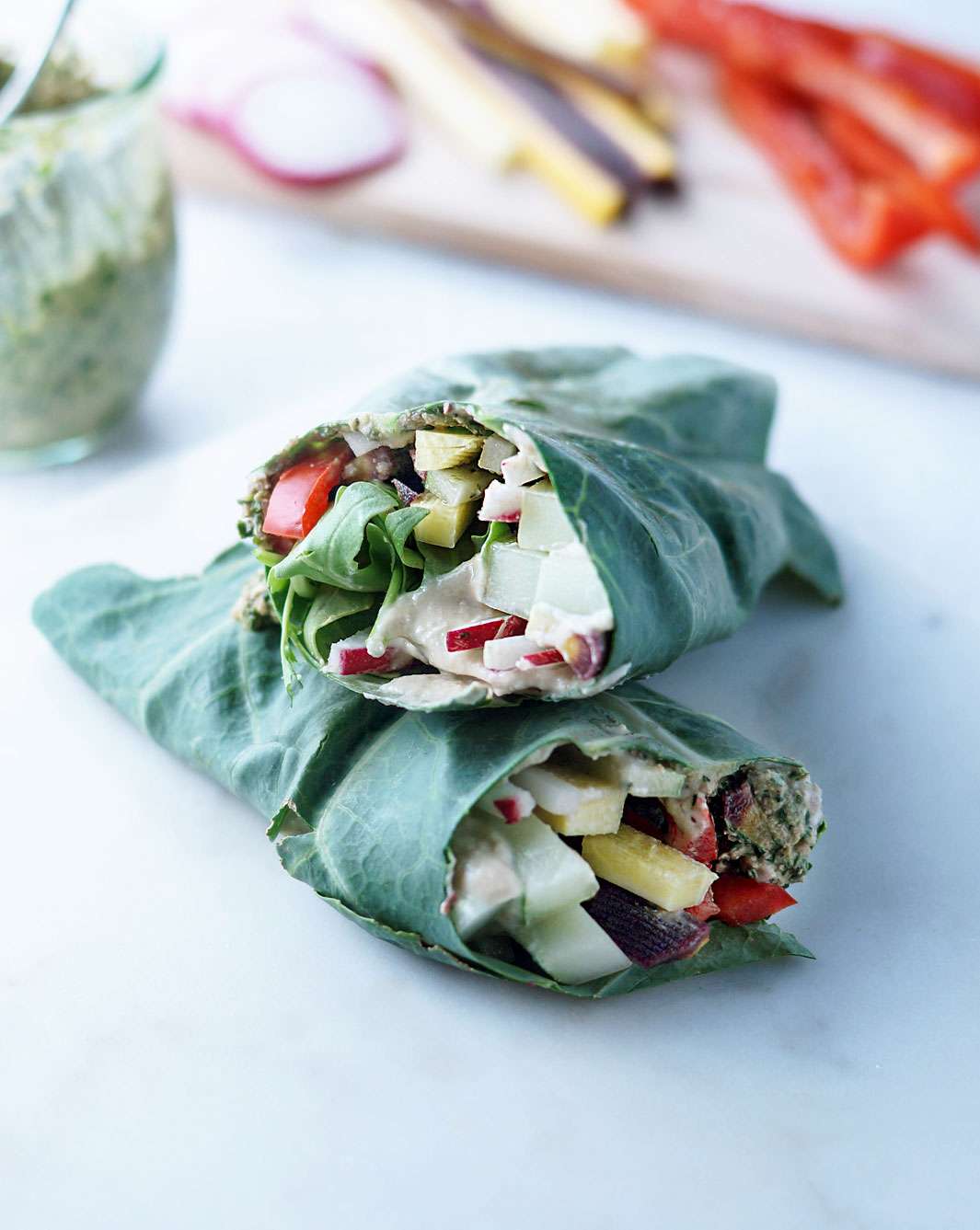
Unlock Healthy Eating: Your Guide to Easy Collard Wraps
In a world constantly seeking healthier, more sustainable eating habits, the humble collard green has emerged as a true culinary hero. If you're tired of traditional bread, white flour tortillas, or the often-complicated process of crafting grain-free alternatives, it's time to discover the magic of collard wraps. These vibrant, leafy vessels offer an incredibly versatile, low-carb, gluten-free, and nutrient-dense option for your favorite fillings. Imagine fresh, wholesome ingredients nestled inside a tender, slightly crisp green leaf – that’s the essence of an
easy Mediterranean collard wrap. This article will guide you through everything you need to know, transforming these "prehistoric" looking leaves into a weekly staple for delicious, guilt-free meals.
The Unsung Hero: Why Collard Greens Make Perfect Wraps
Collard greens, often overlooked in favor of trendier greens, are a powerhouse of nutrition and an ideal base for healthy wraps. Their large, sturdy leaves provide a natural, edible "tortilla" that is inherently gluten-free and significantly lower in carbohydrates than most bread or flour-based wraps. Beyond their structural integrity, collards boast an impressive nutritional profile, packed with vitamins K, A, and C, as well as calcium and fiber.
What makes them superior to other alternatives?
*
Simplicity: Unlike many grain-free wrap recipes that require multiple ingredients, a food processor, and baking, collard wraps require minimal preparation.
*
Natural Robustness: Their large size and inherent strength make them perfect for holding a generous amount of filling without tearing easily.
*
Nutrient Density: You're adding extra vitamins and minerals to your meal with every bite.
*
Flavor Neutrality: While collards have a distinct, slightly earthy flavor when cooked, when briefly blanched or used raw, their taste is mild enough to complement a wide array of fillings without overpowering them.
Finding collard greens is usually quite straightforward; look for them in the produce section near other leafy greens like romaine lettuce or cabbage. They're typically in season during cooler months, from fall to spring, but are often available year-round.
Mastering the Collard Leaf: Preparation for Success
While you *can* use raw collard leaves, a small amount of preparation will significantly improve your collard wrap experience. Briefly blanching the leaves is a game-changer, making them more pliable, easier to roll, and delightfully tender to bite into. This simple step also enhances their vibrant green color.
Here's a quick method to prepare your collard leaves:
1.
Stem Shaving is Key: Lay a collard leaf flat on a cutting board with the large, prominent stem and veins facing up. Using a sharp knife, carefully shave down the thickest part of the stem until it's flush with the rest of the leaf. This step is critical because a thick stem will make the leaf rigid and prone to cracking when folded, leading to unwieldy wraps.
A flatter stem equals an easier roll!
2.
Blanching for Pliability: Bring a large pot of water to a rolling boil. Carefully immerse a prepared collard leaf into the boiling water for approximately 30 seconds. You'll notice the leaf's color intensify and its texture soften slightly. Don't over-blanch, as this can make the leaf too soft and delicate.
3.
Cool and Dry: Using tongs, carefully remove the blanched leaf from the hot water and immediately place it on a clean kitchen towel to dry. Gently pat both sides to remove excess moisture. Repeat this process for as many leaves as you plan to use or store.
Pro Tip: You can blanch a whole batch of collard leaves at once! Store the blanched, patted-dry leaves in an airtight container in the refrigerator for up to 4 days, ensuring you have ready-to-use wraps for healthy meals throughout the week. This makes meal prep a breeze and ensures your
Collard Wrap Prep Secrets: Blanching & Storage for Delicious Meals are always within reach.
Crafting Your Perfect Wrap: Filling Ideas & Assembly Techniques
This is where the "Mediterranean" aspect of your
easy Mediterranean collard wraps truly shines. The beauty of collard wraps lies in their customizability – you can truly use any sandwich filling you like! However, for a genuinely Mediterranean-inspired experience, think fresh, vibrant, and flavorful.
Suggested Mediterranean Fillings:
*
Creamy Spreads: Start with a base layer.
Hummus (classic, red pepper, or roasted garlic),
tzatziki, or
baba ghanoush are excellent choices for creaminess and flavor. A good, thick spread helps anchor other ingredients.
*
Protein Power: Sliced turkey breast, grilled chicken (lemon herb marinated is fantastic), flaked salmon, tuna salad, or a hearty chickpea salad (mashed chickpeas with tahini, lemon, and herbs) are all great options. For a plant-based option, consider falafel pieces.
*
Vibrant Vegetables: Thinly sliced vegetables are key to a manageable wrap. Think shredded carrots, thinly sliced cucumbers, bell peppers (red, yellow, or orange for sweetness), red onion slivers, and juicy tomato slices.
Roasted vegetables like bell peppers, zucchini, or cherry tomatoes add a lovely depth of flavor and texture, contrasting beautifully with raw elements.
*
Mediterranean Accents: Elevate your wrap with crumbled feta cheese, Kalamata olives (pitted and halved), sundried tomatoes (oil-packed for extra flavor), or a sprinkle of fresh parsley or dill.
*
Healthy Fats: Sliced avocado adds a creamy, rich texture and healthy fats. A drizzle of good quality olive oil can also enhance the flavors.
Assembling Your Collard Wrap:
1.
Lay it Flat: Place your prepared collard leaf on a plate or cutting board with the wider end facing you.
2.
Spread the Love: Spread your chosen thick base (hummus, pesto) in the center of the leaf, leaving space around the edges.
3.
Layer Your Fillings: Neatly arrange your protein, vegetables, and other accents over the spread.
Remember the golden rule: don't overfill! It might take a couple of tries to find your perfect balance between generous filling and a manageable wrap. Using thinly sliced or shredded ingredients (like shredded carrots instead of thick slices) makes a big difference in keeping everything together.
4.
The Rolling Technique (Like a Burrito!):
* Fold the bottom of the collard leaf up and over your fillings, tucking it in tightly.
* Next, fold the sides of the collard green inward, towards the center.
* Continue rolling upward from the bottom, keeping the roll tight and compact, just as you would with a burrito.
* Once you reach the top, the collard leaf should be fully wrapped, with the fillings securely enclosed.
Serving Tip: For the best flavor and texture, serve your collard wraps right away. If you're packing them for lunch or prefer to slice them, you might want to secure them with a toothpick to prevent unraveling. For more customizable ideas, explore
Easy Collard Wraps: Custom Fillings & Tortilla Alternatives for Healthy Lunches.
Beyond the Basics: Make-Ahead Tips & Storage Solutions
One of the greatest advantages of collard wraps is their potential for meal prep. Having blanched leaves ready to go significantly cuts down on assembly time during busy weekdays.
*
Storing Blanched Leaves: As mentioned, blanched and thoroughly patted-dry collard leaves can be stored in an airtight container in the refrigerator for up to 4 days, making them perfect for batch preparation.
*
Pre-Assembled Wraps: Collard wraps can be assembled up to 24 hours in advance, especially if you're using thick, stable spreads that won't make the vegetables soggy. Avoid watery ingredients that can leach moisture over time. If you plan to store them, wrap each individually in parchment paper or plastic wrap to maintain freshness and prevent sticking. Place them seam-side down in an airtight container.
*
Packing for Lunch: If you're taking your collard wraps on the go, a toothpick (or two, if they're particularly large) can be your best friend to keep them from unrolling during transport.
*
Roasted Veggie Hack: Consider pre-roasting a large sheet of Mediterranean vegetables like bell peppers, red onions, and tomatoes at the beginning of the week. These can be stored and added to your wraps throughout the week, providing a delightful textural contrast with fresh, raw veggies.
Conclusion
Collard wraps are more than just a passing food trend; they represent a fundamental shift towards simpler, healthier, and more intuitive eating. Their ease of preparation, versatility, and undeniable health benefits make them an ideal alternative to traditional bread and tortillas. Whether you're adhering to a low-carb, gluten-free, or simply a health-conscious lifestyle, mastering the art of the
easy Mediterranean collard wrap opens up a world of delicious possibilities. Experiment with different fillings, embrace the blanching technique, and watch as these vibrant green leaves become a beloved staple in your healthy eating routine. Enjoy the journey of crafting your perfect, wholesome wrap!